Where International
Hiring Goes Wrong.
Costly risks industrial employers face in cross-border hiring.

They arrive.
Then they leave.
The worker leaves early. Production starts to suffer and recruitment begins again.

Document delays.
Missing or incomplete documents can put months of preparation at risk.

Paying before
you know.
Recruitment, travel and administrative costs can build up before Day One.

Promises you
didn't hear.
The worker arrives expecting conditions you never offered. Misunderstandings lead to friction.
Real Consequences.
Different workers. Different gaps. Significant impact on employers and workers.

“I knew TIG welding. Aluminium was another story.”
I had years of experience with carbon and stainless steel. Aluminium was new to me. When I started, I struggled with techniques I hadn't mastered.

“I knew the trade. I wasn't prepared for the hours.”
I expected regular shifts. Instead, the project required longer days and occasional weekends. The schedule was different from what I had prepared for.
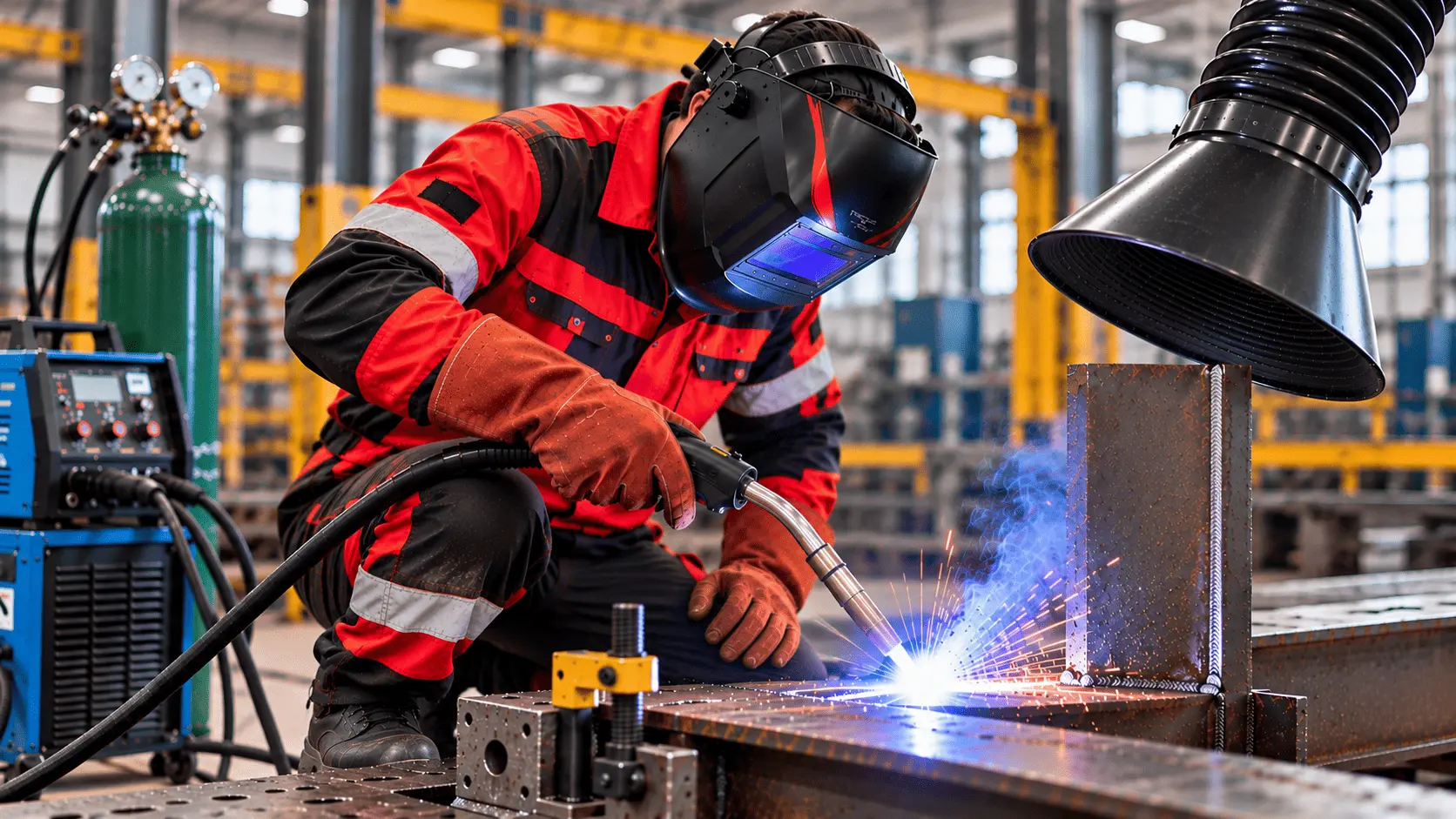
“My welds were good. My production pace wasn't.”
My previous job focused on quality over quantity. Here, I had to maintain quality while completing more pieces per shift. I struggled to keep up.
.webp)
“I was an experienced welder. But site work was new to me.”
I had mostly worked indoors. My employer expected me to adapt to outdoor welding and changing construction sites. The working environment was very different from what I knew.
Note: These are representative examples based on real hiring experiences. Worker identities are protected and details have been adapted.
From job requirements to a better-informed hiring decision.
A clear and structured process that helps employers, workforce partners and workers align expectations before employment.
Job Post + Employer Declaration
The employer defines the job and privately declares what they require and expect from the worker.
Worker Submission + Worker Declaration
A verified Workforce Partner submits the worker with relevant skill evidence and documentation.
The worker independently declares their experience and employment expectations.
Employer–Worker Alignment
A StartIMQ Reviewer assesses Employer–Worker alignment and identifies key findings for the employer.
Employer Decision
The employer reviews the Employer–Worker Alignment Report and decides whether to proceed with the worker.
A Strong CV Doesn’t Tell the Whole Story.
Review the evidence. Clarify the expectations. Know who fits.
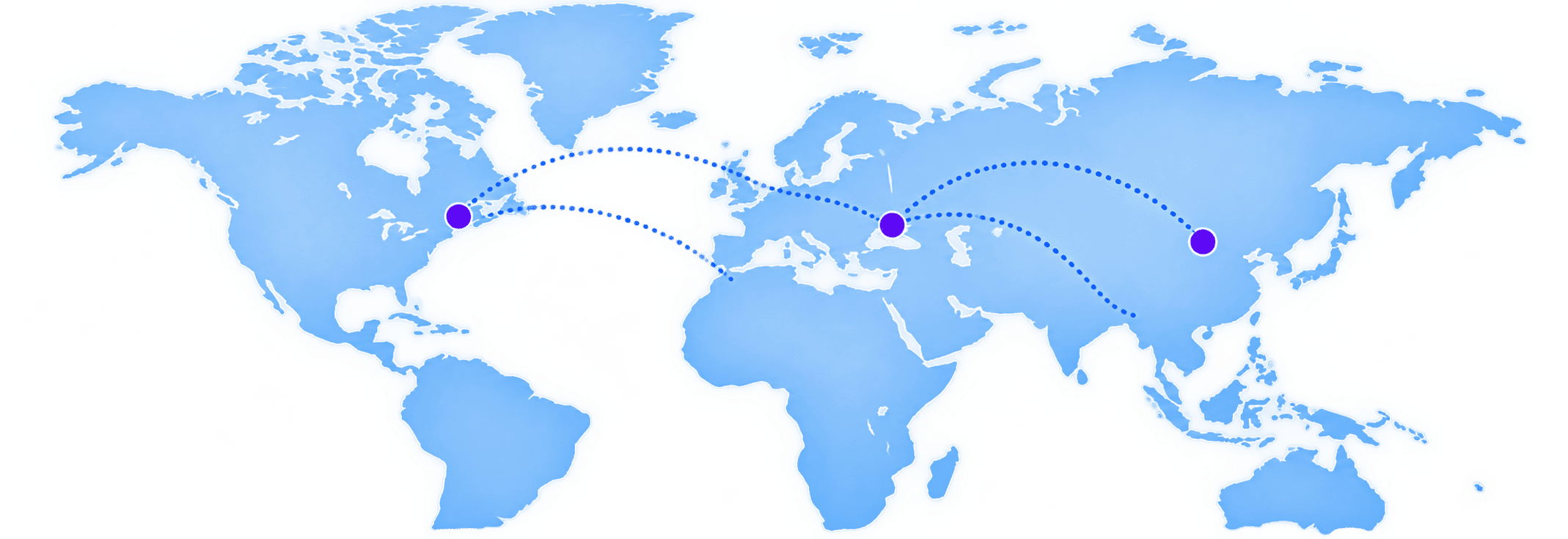
The minds behind StartIMQ
Two visionary leaders, one mission — to make hiring smarter, faster, and fairer for everyone.
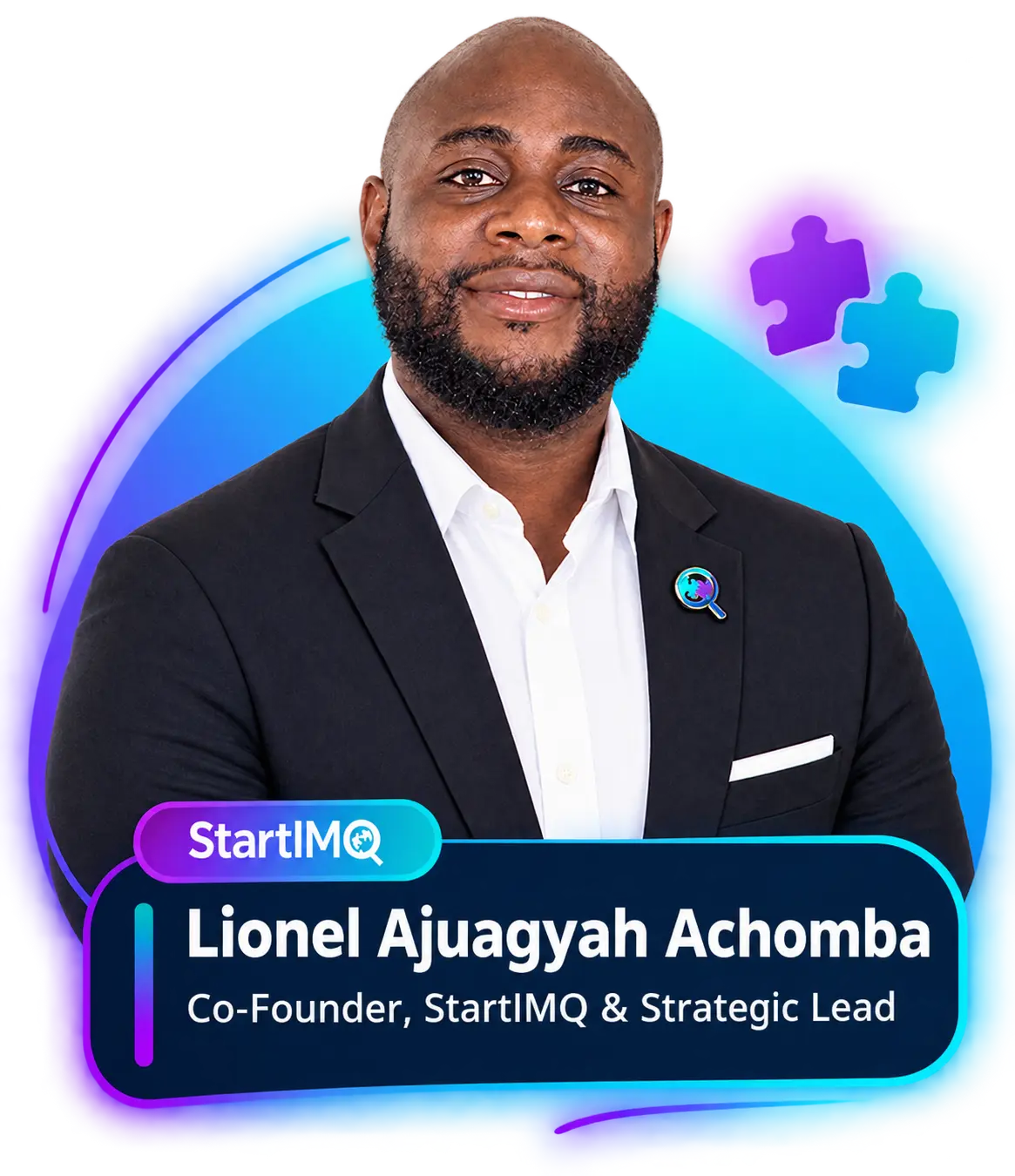
We have been seeing it firsthand across international hiring markets. Highly skilled people get the job, yet months later, expectations collide. Workers struggle, employers lose critical momentum, and operations get disrupted.
Together, our mission at StartIMQ is to solve the hidden root cause: the unspoken assumptions between employers and talent.
What the employer expected versus what the worker understood must be aligned before commitment day. We built StartIMQ so both sides can see true alignment before taking the leap.